CONTACT US
How to Create a Mindfulness Space (Backed by Habit Science)

How to Create a Mindfulness Space (Backed by Habit Science)

You've decided meditation matters. You've downloaded the app, set the reminder, even bought a cushion. Three weeks in, the practice has quietly disappeared.

The fix usually isn't more willpower. It's the cue.

Your brain builds habits faster when the same place reliably triggers the same action. A dedicated mindfulness space — even a corner of a room — is one of the most efficient habit cues you can engineer. Research from behavioral scientists like Wendy Wood, whose work at USC on habit formation has shaped the field, shows that consistent context, more than motivation, is what makes a daily practice automatic.

This is how to set one up.

Why a Dedicated Mindfulness Space Works (the Neuroscience)

When you sit in the same spot every morning, your brain encodes the location alongside the action. After a few weeks, the place itself starts to do the work — the cushion in the corner becomes a cue your nervous system recognizes. You sit down, and the body settles before the mind even catches up.

Three mechanisms make this work:

  • Cue–routine–reward. Habits form through a loop: a trigger, the behavior, the reward. Your space is the trigger. Stillness is the behavior. Calm is the reward. The brain remembers.
  • State-dependent learning. Returning to the same context primes the same internal state. Your meditation spot becomes shorthand for this is where I quiet down.
  • Reduced decision friction. When the place already exists, you stop deciding whether to meditate. You only have to walk into the room.

You don't need a separate room. You need consistency.

Where to Put It (Four Options That Work)

Most people overthink the room. They wait for the right house, the right budget, the right corner with the right light. Meanwhile, the habit doesn't form.

Choose one of these and start this week:

A corner of a quiet room. A clear patch of floor near a window. Add a cushion and one calming object. Done. This is the most common — and most underrated — setup. A mindful room doesn't have to be a whole room.

A closet or alcove. Smaller is often better. Physical boundaries help the brain know when you've entered the space. A walk-in closet with the door cracked is one of the most reliable setups in homes with kids or roommates.

A mindful office space. A chair you only use for meditation, set slightly apart from your desk. The change in seat is the cue. Don't take calls there. Don't open the laptop. Even five minutes mid-morning, in the same chair, will start to shift the rest of your workday.

An outdoor mindful practice room. A patio chair, a bench in the yard, a covered porch. Outdoor light is one of the strongest signals for cortisol regulation, and being outside takes care of the "quiet" requirement for free.

The best location is the one you'll actually sit in tomorrow morning.

How to Set Up Your Meditation Spot

The fewer decisions required to begin, the more reliably the habit holds. Six elements to put in place:

  • A seat that supports you. A round zafu cushion, an L-back floor seat, a regular chair, or an unrolled yoga mat. Comfort isn't optional — discomfort is the fastest way to lose a daily practice.
  • Props for the body. Pillows or folded blankets under the knees. A folded towel under the sit bones if the floor feels hard. Beginners especially benefit from being almost too comfortable.
  • One or two meaningful objects. A plant. A candle. A small photo. A stone you picked up on a walk. The point isn't decoration — it's recognition. The object becomes part of the cue.
  • A scent your nervous system associates with calm. Olfaction is the only sense that bypasses the thalamus and routes directly to the amygdala — the brain region that flips between stress and safety. Pairing meditation with a specific scent (lavender spray, sandalwood incense, a citrus candle) builds an almost-instant calming reflex over time.
  • A way to reduce visual noise. A bamboo screen, a folded throw, a closed door. Your eyes find a clean surface, and the brain follows.
  • A way to mark the time. Meditation is a practice with a set length — five minutes, ten, twenty. Guided audio through headphones, an analog timer, or a smart-speaker bell all work. The phone itself stays across the room on Do Not Disturb, audio coming through Bluetooth. Knowing when you're done lets the rest of the sit stay open.

What to Leave Out

Just as important as what to add — what to leave out.

  • No phone within reach. Even face-down. If you're using a guided audio or a phone timer, the device goes across the room with Do Not Disturb on — audio comes through Bluetooth headphones or a connected speaker. The screen and the notifications are what stay out, not the practice tools.
  • No clutter you've been "meaning to deal with." Unfinished tasks pull attention. If the laundry pile is in your line of sight, your nervous system doesn't fully settle.
  • No visible clock. A timer behind you or off to the side is fine. A clock you can see turns the practice into a countdown.
  • No screen. TV off, monitor off, tablet stored. The screen is the workspace your brain is trying to step away from.

How to Bring This to Your Workplace

If you're considering bringing a mindfulness space to your team — whether that's a quiet room, a quarterly practice, or a full brain-health program for performance — the same habit-cue science applies. The companies seeing real return aren't running one-off webinars. They're building consistent, in-place rituals their teams repeat.

This is the work we do with corporate clients at Mastermind — building the cues, the rituals, and the science-backed practices that turn one-off interest into sustained brain health.

Set up the space this weekend. The practice has a place to land. (How to make mindfulness a habit, once your space is set up.)

Want to experience Mastermind, and our CEO, Dorsey Standish, in action?

Download our 1-minute mindful work break to use for yourself and with your employees.

You're safe with me. I'll never spam you or sell your contact info.

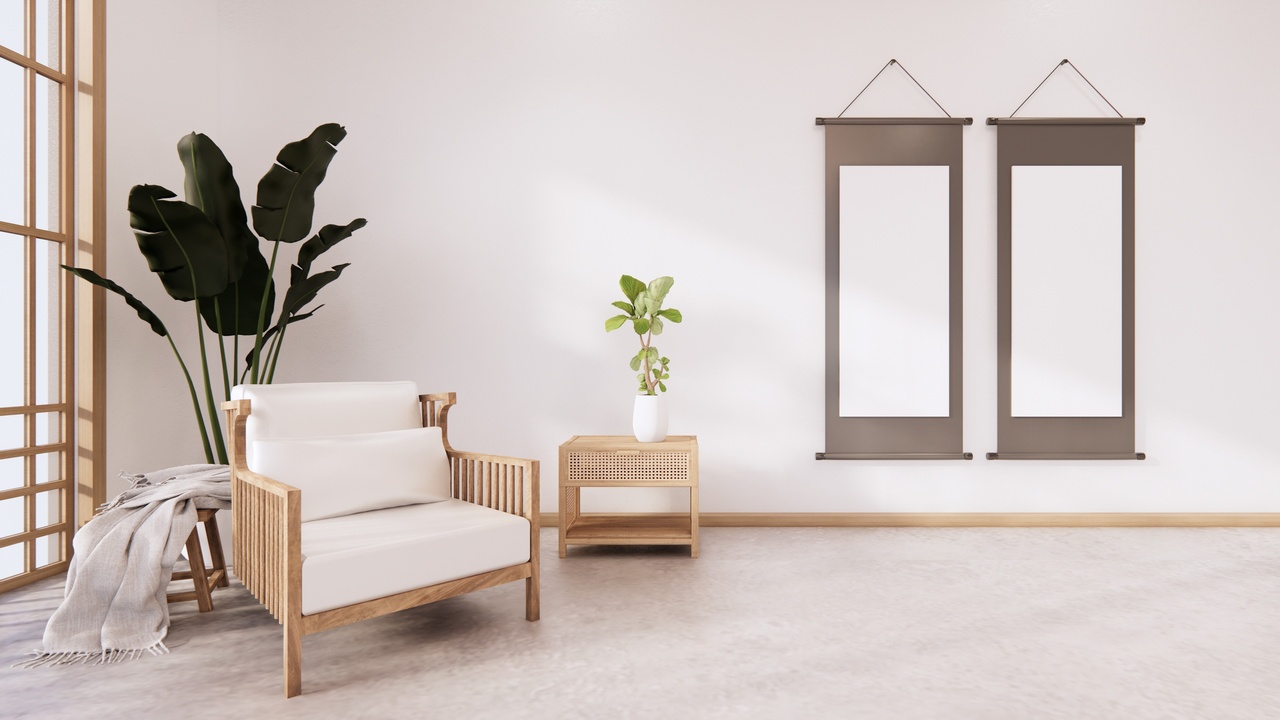
Empty, peaceful meditation room, mindfulness space

How to Create a Mindfulness Space (Backed by Habit Science)

You've decided meditation matters. You've downloaded the app, set the reminder, even bought a cushion. Three weeks in, the practice has quietly disappeared.

The fix usually isn't more willpower. It's the cue.

Your brain builds habits faster when the same place reliably triggers the same action. A dedicated mindfulness space — even a corner of a room — is one of the most efficient habit cues you can engineer. Research from behavioral scientists like Wendy Wood, whose work at USC on habit formation has shaped the field, shows that consistent context, more than motivation, is what makes a daily practice automatic.

This is how to set one up.

Why a Dedicated Mindfulness Space Works (the Neuroscience)

When you sit in the same spot every morning, your brain encodes the location alongside the action. After a few weeks, the place itself starts to do the work — the cushion in the corner becomes a cue your nervous system recognizes. You sit down, and the body settles before the mind even catches up.

Three mechanisms make this work:

  • Cue–routine–reward. Habits form through a loop: a trigger, the behavior, the reward. Your space is the trigger. Stillness is the behavior. Calm is the reward. The brain remembers.
  • State-dependent learning. Returning to the same context primes the same internal state. Your meditation spot becomes shorthand for this is where I quiet down.
  • Reduced decision friction. When the place already exists, you stop deciding whether to meditate. You only have to walk into the room.

You don't need a separate room. You need consistency.

Where to Put It (Four Options That Work)

Most people overthink the room. They wait for the right house, the right budget, the right corner with the right light. Meanwhile, the habit doesn't form.

Choose one of these and start this week:

A corner of a quiet room. A clear patch of floor near a window. Add a cushion and one calming object. Done. This is the most common — and most underrated — setup. A mindful room doesn't have to be a whole room.

A closet or alcove. Smaller is often better. Physical boundaries help the brain know when you've entered the space. A walk-in closet with the door cracked is one of the most reliable setups in homes with kids or roommates.

A mindful office space. A chair you only use for meditation, set slightly apart from your desk. The change in seat is the cue. Don't take calls there. Don't open the laptop. Even five minutes mid-morning, in the same chair, will start to shift the rest of your workday.

An outdoor mindful practice room. A patio chair, a bench in the yard, a covered porch. Outdoor light is one of the strongest signals for cortisol regulation, and being outside takes care of the "quiet" requirement for free.

The best location is the one you'll actually sit in tomorrow morning.

How to Set Up Your Meditation Spot

The fewer decisions required to begin, the more reliably the habit holds. Six elements to put in place:

  • A seat that supports you. A round zafu cushion, an L-back floor seat, a regular chair, or an unrolled yoga mat. Comfort isn't optional — discomfort is the fastest way to lose a daily practice.
  • Props for the body. Pillows or folded blankets under the knees. A folded towel under the sit bones if the floor feels hard. Beginners especially benefit from being almost too comfortable.
  • One or two meaningful objects. A plant. A candle. A small photo. A stone you picked up on a walk. The point isn't decoration — it's recognition. The object becomes part of the cue.
  • A scent your nervous system associates with calm. Olfaction is the only sense that bypasses the thalamus and routes directly to the amygdala — the brain region that flips between stress and safety. Pairing meditation with a specific scent (lavender spray, sandalwood incense, a citrus candle) builds an almost-instant calming reflex over time.
  • A way to reduce visual noise. A bamboo screen, a folded throw, a closed door. Your eyes find a clean surface, and the brain follows.
  • A way to mark the time. Meditation is a practice with a set length — five minutes, ten, twenty. Guided audio through headphones, an analog timer, or a smart-speaker bell all work. The phone itself stays across the room on Do Not Disturb, audio coming through Bluetooth. Knowing when you're done lets the rest of the sit stay open.

What to Leave Out

Just as important as what to add — what to leave out.

  • No phone within reach. Even face-down. If you're using a guided audio or a phone timer, the device goes across the room with Do Not Disturb on — audio comes through Bluetooth headphones or a connected speaker. The screen and the notifications are what stay out, not the practice tools.
  • No clutter you've been "meaning to deal with." Unfinished tasks pull attention. If the laundry pile is in your line of sight, your nervous system doesn't fully settle.
  • No visible clock. A timer behind you or off to the side is fine. A clock you can see turns the practice into a countdown.
  • No screen. TV off, monitor off, tablet stored. The screen is the workspace your brain is trying to step away from.

How to Bring This to Your Workplace

If you're considering bringing a mindfulness space to your team — whether that's a quiet room, a quarterly practice, or a full brain-health program for performance — the same habit-cue science applies. The companies seeing real return aren't running one-off webinars. They're building consistent, in-place rituals their teams repeat.

This is the work we do with corporate clients at Mastermind — building the cues, the rituals, and the science-backed practices that turn one-off interest into sustained brain health.

Set up the space this weekend. The practice has a place to land. (How to make mindfulness a habit, once your space is set up.)