
Mindfulness for Coping with Chronic Pain
Recently a Mastermind client asked me, “Do you have any mindfulness practices for physical pain?”
After years of battling several debilitating health conditions, she was looking for a new way to cope with the constant pain signals her body was sending to her brain. She knew she needed practices that incorporated gentle movement, as well as practices that acknowledged just how hard it is to live with ongoing pain.
It’s a question I hear often.
Chronic pain is far more common than most people realize. In the U.S., about 1 in 4 adults lives with chronic pain, and nearly 1 in 12 experiences pain that regularly interferes with daily life—work, exercise, sleep, and relationships. Chronic pain is also one of the leading causes of disability and is closely linked with mental health issues like stress, anxiety, and depression.
Unfortunately, I know this personally as well. I’ve dealt with degenerative disc disease and recovery from back surgery. I’ve lived through how pain can quietly shape your days—what you can do, how long you can do it, and how much energy it takes just to keep going.
Pain, the Brain, and Why Mindfulness Helps
Pain begins as a signal from the body—messages sent from nerves when tissue is irritated, injured, or under threat. But pain itself is not produced in the body. It’s created by the brain.
The brain receives sensory information and decides whether something is dangerous enough to register as pain. That decision is influenced not only by physical input, but also by context, past experience, stress levels, emotions, and expectations.
When the nervous system is stuck in a heightened or protective state—common with chronic stress or long-term pain—the brain becomes more sensitive to these signals. It may interpret even neutral or mild sensations as painful, and pain can linger even after tissues have healed.
This doesn’t mean the pain is “in your head.” It means the brain is doing its job too well—trying to protect you.
Mindfulness and other brain-based practices help by calming the nervous system and reducing this constant sense of threat. Research shows these practices can lower pain sensitivity, improve emotional regulation, and increase quality of life—even when pain itself doesn’t fully go away. Part of true mindfulness practice is working with whatever is present, even if it’s uncomfortable.
Studies suggest meditation can reduce pain-related distress, improve emotional resilience, and help people feel more in control, even when the pain itself doesn’t completely disappear. In other words, we may not always eliminate the signal, but we can soften the suffering around it.
The goal isn’t to ignore pain signals. It’s to help the brain and body feel safe enough to turn the volume down.
In other words, we may not always eliminate the signal, but we can soften the suffering around it.
Practices That Help
All mindfulness practices can be supportive when living with chronic pain. Some approaches, in particular, tend to resonate most with my clients:
- Meditations on the pillars of mindfulness to build awareness without adding judgment
- Gentle movement to reduce guarding and tension
- Breathwork and relaxation practices to signal calm to the nervous system
- Self-compassion practices that acknowledge how hard pain truly is
- Body scan meditations to gently observe sensation without resistance
- Loving-kindness or compassion practices to reduce the emotional weight of pain
- Visualization practices that invite the body into a state of safety and ease
These practices work together to calm threat responses in the brain and support the body’s natural recovery systems. You can find some free practices that focus on pain relief here.
Another thing I shared with this client: a practice doesn’t have to be labeled “for pain” to be useful. You can bring your own intention—to support your body, soften resistance, or simply meet yourself where you are.
Why Movement Matters
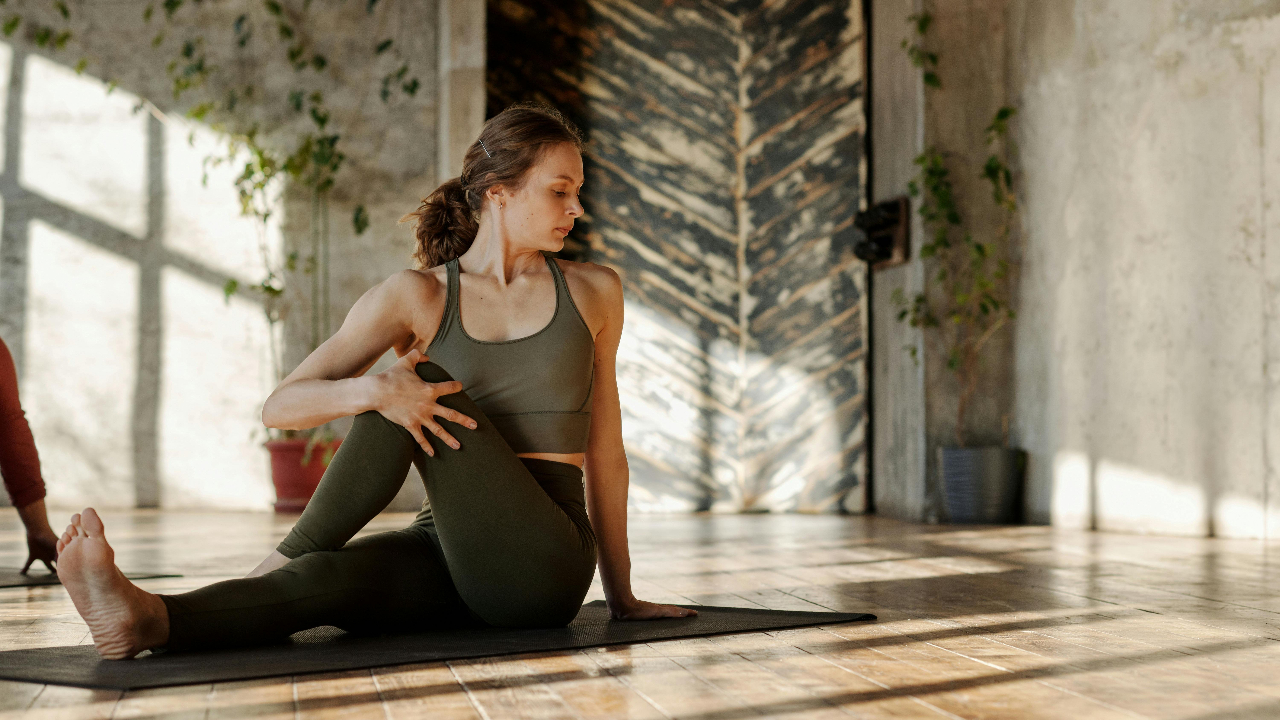
For many people with chronic pain, sitting still isn’t helpful—and can actually make things worse. That’s why gentle, mindful movement is often a better entry point than stillness alone.
Helpful approaches include slow stretching, progressive muscle relaxation (squeezing and releasing muscles), and guided movement that ends in rest. These practices help reduce tension and muscle guarding and make it easier for the nervous system to settle.
Where to Start
Many people coping with chronic pain find support through the gentle movement, relaxation, stress management, and self-compassion practices in our Mastermind on-demand library. You may also find benefit in our Neuroscience-Based Stress Management course, learning how the pillars of brain health can provide a comprehensive healing program.
Remember, every bit makes a difference. Even short practices—especially those that combine movement with rest—can support your healing, ease, and quality of life over time. Don’t worry about doing it perfectly; just worry about showing up for yourself.
Final Thought
Living with chronic pain is hard. There’s no perfect way to work with it. Showing up for your body, even in small ways, matters.
The goal isn’t to eliminate pain. It’s to build a steadier, kinder relationship with your body and nervous system—using tools that are grounded in research and real life.
Chronic pain is common. You don’t have to navigate it alone.